Since implementation, Access Finance and Accounting software has helped Roz Johnson, Group Financial Accountant at Anthology, to make her job easier and more efficient. By automating inputting processes, and storing all information in a single space, Access finance fixed asset accounting process software has improved the visibility and accessibility of Anthology’s data. This also means that Anthology’s reporting processes are easier and more dynamic.

Business Partner Conversion from SAP ERP to S/4 HANA
Disposing of fixed assets can also present challenges, especially if the asset was fully depreciated or if non-operating assets were sold or written off incorrectly. Accounting for fixed assets can be a bit complicated and there are a number of other fixed asset transactions ledger account that may call for journal entries. For instance, let’s say that your barn wood boardroom table (try saying that three times fast!) doesn’t live out its days until fully depreciated or sell at a gain to a stylish homeowner.
Executing and Changing the Valuation of Fixed Assets

Small increases and decreases are normal, but if you suspect that one of your assets has undergone a significant change in value, you should have it appraised by an expert. Expenditures that prepare an asset for its intended operational use, such as site preparation, professional fees, and testing costs, are also capitalized. For example, if a company is constructing a new building, the costs of architectural design, engineering services, and initial testing of systems would be included in the building’s capitalized cost. This ensures that the asset’s recorded value accurately reflects the total investment required to bring it to a usable state. Determining which expenditures qualify for capitalization is a nuanced process that requires careful consideration of various factors. The primary criterion is that the expenditure must result in the acquisition or creation of a long-term asset that will provide future economic benefits to the organization.
Total Assets Formula
IFRS emphasizes the importance of transparency and consistency in financial reporting, promoting international comparability. Furthermore, they keep a watchful eye on depreciation tracking and ensure that financial statements and tax obligations accurately reflect the assets’ current value. This meticulous process of tracking depreciation aids in precise financial reporting and tax compliance. AI can automate routine tasks, provide predictive maintenance insights, and analyze large datasets to identify trends and anomalies, enhancing the accuracy and efficiency of fixed asset accounting.
- Organizations often set a minimum dollar amount, known as the capitalization threshold, below which expenditures are expensed immediately.
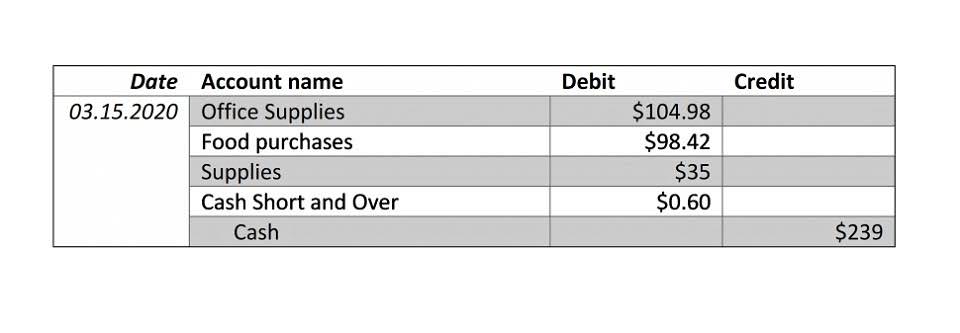
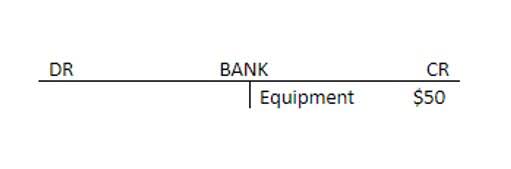
- The debited fixed asset account reflects the increase in the asset’s value, while the credited accounts payable or cash account represents the decrease in cash or the obligation to pay.
- For depreciating at the main asset number level, you must also maintain the screen layout rule.
- Compliance ensures accurate financial statements and minimizes legal risks.
- This process involves making a journal entry to reflect the purchase of the van as a fixed asset on their balance sheet.
The FA system should provide for the capability of reporting on these different dimensions and the ability to perform analytical reviews. At the month-end, the accounting period in the FA System is closed and FA System transfers to G/L the Oil And Gas Accounting monthly fixed asset activity. Reconciliations must be done between the FA sub-ledger and the G/L for all fixed asset accounts. Generate all of the necessary fixed asset reports to complete the closing process. This article explores the full fixed asset lifecycle—from acquisition to disposal—highlighting its impact on accounting, operations, risk, and strategy. The content addresses risks, compliance with IFRS and ESG standards, and provides guidance on the lease vs. buy decision.